
- No products in the cart.
Incense in Everyday Life: Personal Rituals and Smoke Precautions

08
Jun
Incense can be part of a personal, cultural or spiritual routine, but burning it is not a requirement for a healthy lifestyle. Enjoying a fragrance and demonstrating a health benefit are different questions. A useful decision considers what the ritual means to you, what the product actually contains and whether your home can accommodate supervised use.
This guide looks at the questions behind everyday incense use, including ingredients, smoke, odor and timing. It does not recommend incense as a treatment for depression, insomnia or any other condition.
Be clear about what you want from the ritual
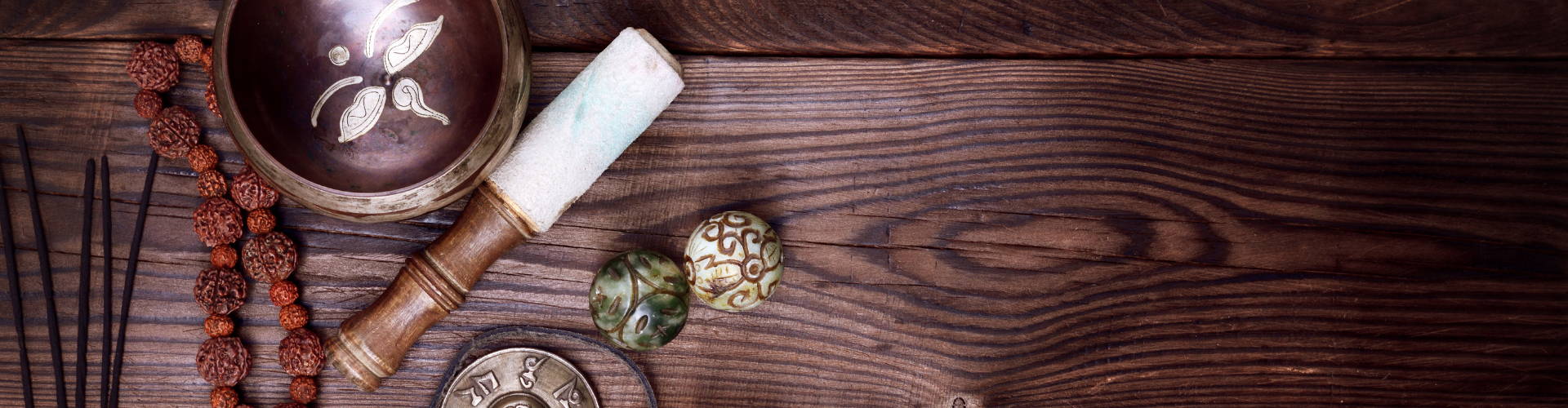
You may enjoy arranging a familiar object, taking a pause or marking an occasion. Incense may also have a place in a tradition you follow. Those meanings deserve to be described in their own terms. They do not need an added claim that smoke changes brain chemistry, purifies a room or guarantees a spiritual outcome.
For a practice connected to a community or religion, learn from an appropriate source within that tradition. Avoid treating a shop's fragrance description as an authority on worship or assuming that all communities use incense in the same way. An unscented alternative may also be appropriate for your circumstances.
A pleasant smell does not establish clean air
If a room has an unpleasant odor, investigate and address its cause. Adding another scent can make it harder to judge whether the original problem has been resolved. Do not use incense to cover a possible leak, persistent damp smell, smoke from another source or an unresolved cleaning problem.
The EPA identifies control of pollutant sources as a central indoor-air strategy. Burning incense adds a source to the room. A strong fragrance, a disappearing odor or an attractive smoke pattern does not measure the quality of the air.
Read ingredient information without filling in the gaps
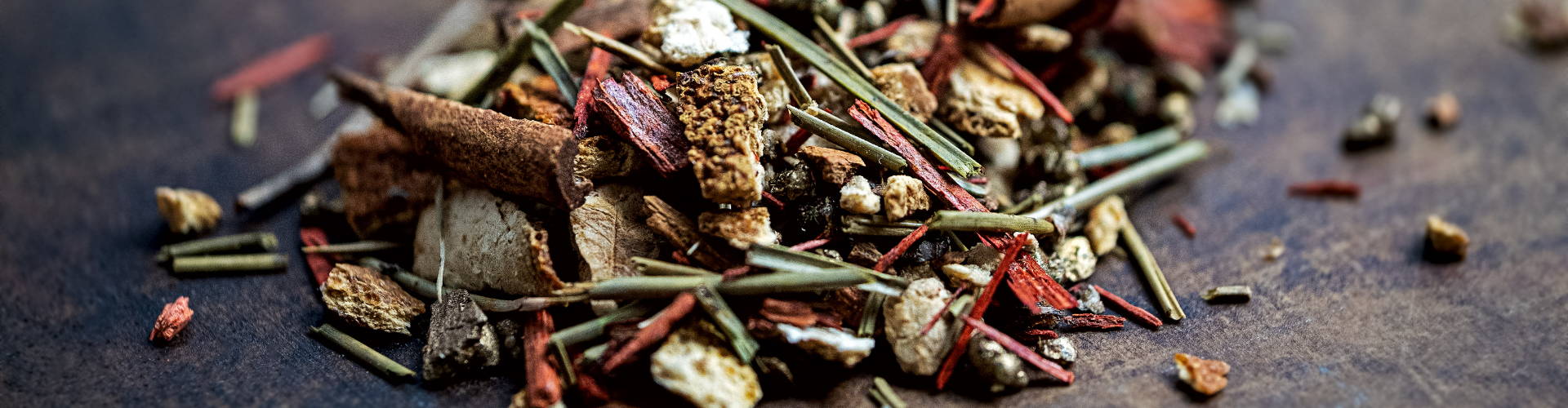
Incense descriptions may refer to woods, resins, flowers, herbs, fragrance ingredients or binders. A complete formulation needs to come from the maker. A name such as sandalwood, patchouli, myrrh, frankincense or cinnamon may describe the fragrance being sold; it does not, by itself, prove the amount or presence of a particular raw material.
If origin, ingredients or sourcing matters to your choice, look for a clear statement on the current listing or packaging. Ask when it is missing. Do not infer that every ingredient is plant-based from a photograph of bark and herbs, or that a natural label means no irritation or smoke risk.
Check what the format requires
Questions about sticks, cones, coils and loose materials matter because the equipment and instructions need to match. A holder that works for one item should not automatically be used for another.
- Sticks: check how the exact stick is supported and where its ash will land.
- Cones: confirm the specified holder and whether the product is intended for a particular burner design.
- Coils: check the support, clearances and extinguishing instructions for that coil rather than choosing it to burn for an unattended period.
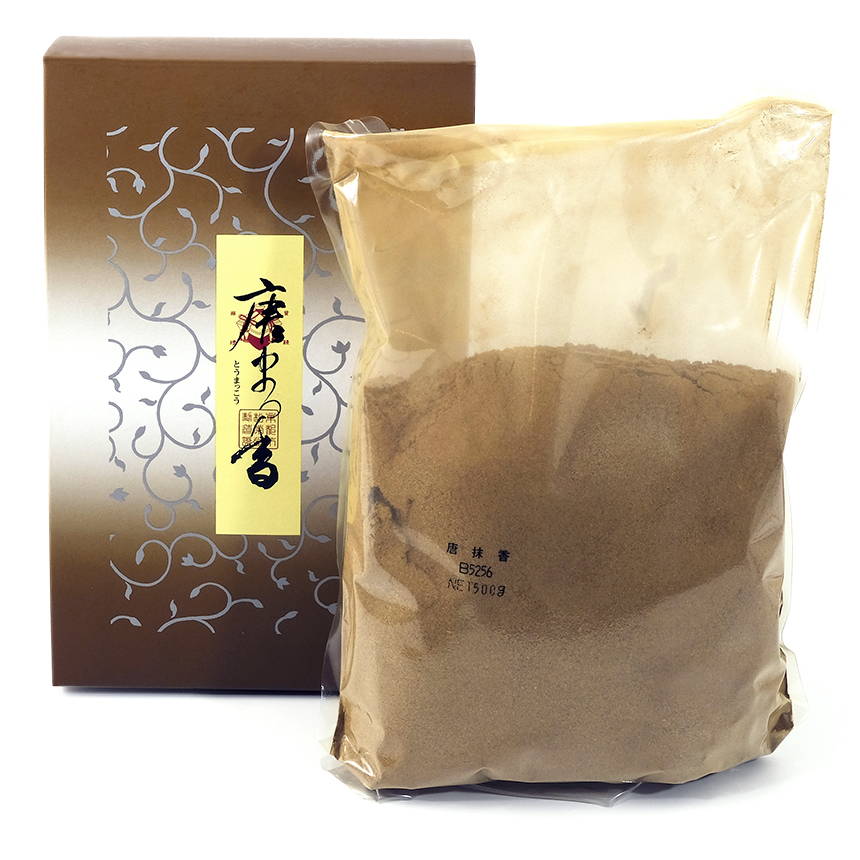
- Powders or loose materials: obtain instructions for the exact product and any heating equipment. Do not improvise from directions for a stick or assume that all loose incense is used in the same way.
If instructions are unclear, leave the item unlit until you can clarify them. The main incense guide can help organize your questions before comparing products.
Decide whether today's conditions suit a burn
Choose a stable, uncluttered place where you can remain attentive. Keep children and pets away from the hot setup and store matches and spare incense securely. The EPA recommends suitable ventilation for indoor incense use; ventilation is a precaution, not a guarantee that smoke is harmless.
If you have asthma, another respiratory condition or symptoms around fragrance or smoke, discuss the exposure with your healthcare professional. Do not treat a milder scent as proof of suitability. If incense causes irritation or discomfort, stop using it rather than increasing your exposure to get used to it.
Choose another activity if you are tired, likely to leave the room or unable to supervise. Do not burn incense during sleep, while settling into bed or during eyes-closed meditation or breathing exercises. For evening planning, use the routine that separates incense from bedtime.
End the burn yourself
Do not rely on an item burning itself out at a predictable time. Follow its extinguishing directions and confirm that the ember is fully out before leaving or doing something that removes your attention. Let the burner and ash cool completely before handling or disposal.
The Country Fire Authority advises extinguishing incense before sleep and warns against moving a lit burner. Those requirements apply even when the activity is described as calming or spiritual.
Question health promises in product descriptions
Ask what was actually studied before accepting a claim. Was it a finished incense product, an essential oil, a laboratory substance or a meditation program? The NCCIH describes aromatherapy as the use of essential oils. That definition is a reason to avoid treating every aromatherapy statement as evidence about burning incense.
You can keep a ritual because it is meaningful or pleasant without calling it medical care. You can also leave incense out and preserve the reading, reflection or shared time that matters most. For a full practical setup, return to the incense care guide and common safety mistakes to avoid.


